Why Do Audiences Expect Everything to Be On-Demand Now?
In the past decade, the way we consume film and television has undergone a seismic shift. No longer tethered to fixed broadcast schedules or appointment viewing, audiences now expect content to be instantly accessible whenever and wherever they want. This “on-demand viewing” has transformed not only how entertainment is delivered but also how it is made—especially here in British Columbia, where a burgeoning creative industry leverages cutting-edge technologies like virtual production and real-time visualization to meet evolving streaming habits.
Understanding the Shift: From Fixed Broadcast Schedules to Streaming Habits
I'll be honest with you: for much of the 20th century, television was a linear experience. Channels programmed shows at specific times, and viewers planned their day around those schedules. The introduction of digital video recorders (DVRs) allowed some flexibility, but the real game-changer came with streaming platforms such as Netflix, Disney+, and Amazon Prime Video.
Streaming disrupted traditional broadcast by providing unlimited access to content libraries on-demand — anytime, anywhere, on multiple devices. The appeal is obvious:
- Flexibility: Watch shows during a commute, late at night, or in a binge session over the weekend.
- Personalization: Algorithms recommend shows based on viewing history, creating a tailored entertainment experience.
- Choice: Access to vast content catalogs without waiting for scheduled programming.
These conveniences have fundamentally altered audience expectations. Gone are the days when missing a broadcast meant missing the story; audiences now anticipate that any episode or film will be available at their fingertips.
The Digitization of Film and TV Workflows
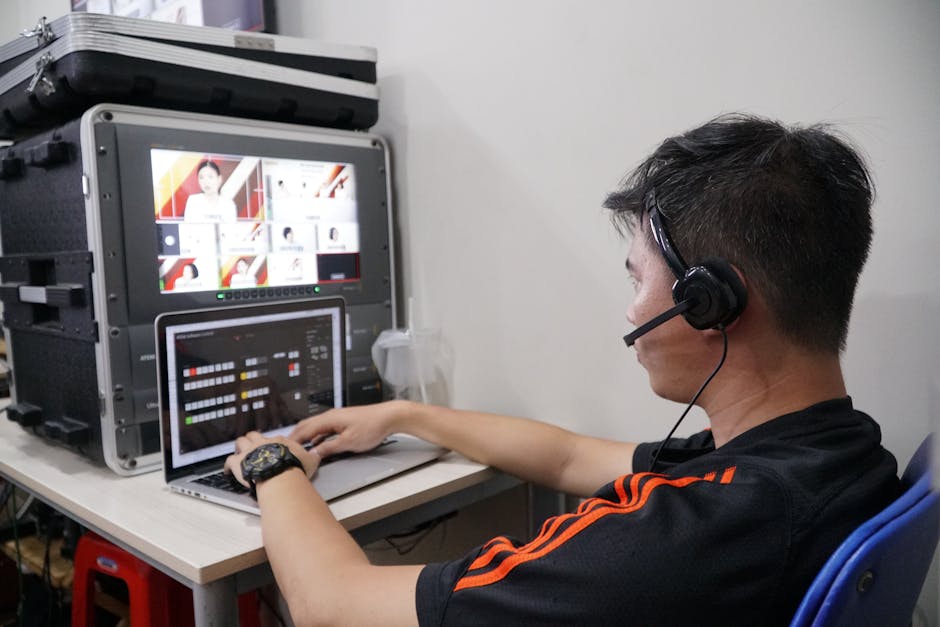
Meeting these expectations demands more than just changing distribution platforms. The production process itself has digitized dramatically, accelerating timelines and enabling greater creative control. Here in BC’s film and TV industry, this transformation is visible in workflows that are no longer constrained by analog steps but instead embrace digital tools from concept to final delivery.
- Digital Asset Management: Projects are increasingly managed through software that keeps all assets—scripts, footage, VFX elements—in the cloud, enabling global collaboration and faster revisions.
- Non-Linear Editing: Editors can cut and re-cut scenes instantly, adapting content for various formats such as short clips for social media or extended director’s cuts for streaming platforms.
- Cloud Rendering: Instead of relying on local servers alone, visual effects and animation teams tap into powerful cloud infrastructure to speed up rendering of complex scenes.
These advances mean productions can respond swiftly to platform demands for episodic content, promotional materials, and even last-minute changes inspired by audience feedback.
Virtual Production and Real-Time Visualization: Revolutionizing Content Creation
Two closely linked technologies have taken center stage in recent years across BC’s studios: virtual production and real-time visualization. Both contribute significantly to the growing demand for on-demand, high-quality content by streamlining how scenes are created and adjusted.
What Is Virtual Production?
Virtual production blends physical and digital filmmaking techniques to create environments and performances simultaneously, often in a single studio space. It relies heavily on LED wall technology and game-engine software like Unreal Engine to display computer-generated backdrops in real behind-the-scenes content time while actors perform.
Real-Time Visualization Explained
Real-time visualization allows producers, directors, and artists to see changes to sets, lighting, and effects instantaneously rather than waiting hours or days as with traditional rendering methods. This expedites decision-making and reduces costly reshoots.
Why These Matter for On-Demand Viewing
- Speed: Virtual production slashes production times by combining shooting and visual effects into a unified process, essential for episodic series racing to meet streaming deadlines.
- Flexibility: Scenes can be dynamically adjusted on set based on real-time feedback, allowing creative teams to tailor content for multiple platforms or audience segments.
- Cost-Effectiveness: Minimizing physical set builds and location shoots reduces expenses, making it viable to produce diverse content libraries demanded by streaming services.
Leading BC productions such as those produced in Vancouver have embraced these technologies, turning the province into a hub for innovation that shapes global audience experiences.
VFX and Animation: BC’s Competitive Advantage in a Global Market
The province’s reputation for world-class visual effects (VFX) and animation studios provides a unique edge in fulfilling the demands of on-demand audiences. VFX—short for visual effects—refers to digitally added imagery that enhances or replaces elements in live-action footage. Animation, meanwhile, covers projects entirely generated from computer graphics.

BC studios have earned a global client base by delivering high-end visual content on tight schedules, critical for streaming platforms constantly adding new shows and movies. Highlights include:
- High Volume: BC’s VFX houses manage workloads from major franchises, processing complex sequences like explosions, creatures, or futuristic environments that streaming viewers expect.
- Diverse Styles: Animation studios here create everything from children’s programming to adult dramas, supporting platforms targeting multiple demographics.
- Integration with Virtual Production: Real-time rendering tools enable VFX artists and animators to collaborate directly with live-action shoots, producing seamless and immersive experiences without delay.
This constellation of talent and technology helps streaming services compete on fresh, visually engaging content delivery — a critical factor given how user attention spans have shortened and choices multiplied.
Interactive Digital Media: A Major BC Creative Industry Aligning With On-Demand Trends
It’s important to note that BC’s creative economy doesn’t silo film, TV, VFX, and animation from interactive digital media such as video games and virtual reality (VR). Instead, these domains overlap and strengthen each other in response to shifting consumer habits.
Interactive digital media contributes to audience expectations in several ways:
- Immersive Experiences: Growing popularity of VR and AR (augmented reality) heightens demand for content that feels immediate and accessible, paralleling on-demand principles.
- Cross-Media Storytelling: Expanding narratives across games, shows, and interactive platforms encourages audiences to engage on their own terms.
- Technological Synergies: Many techniques developed for game graphics and physics simulations are now integral to real-time visualization and virtual production in film and TV.
BC’s ability to nurture these interconnected sectors represents an ecosystem attuned to modern audience expectations for choice, interactivity, and on-demand content availability.
Conclusion: The Future Is Always-On and On-Demand
The appetite for on-demand viewing stems from a broader transformation affecting not just how audiences consume content but how productions are conceived and finished. Digitized workflows, virtual production, real-time visualization, and a robust VFX and animation ecosystem give BC creatives a front-row seat—and starring role—in this evolution.
As streaming habits continue to reshape audience behavior, the industry’s capacity to innovate rapidly and deliver diverse, high-quality content on demand will only become more crucial. For audiences, this means storytelling that fits their schedules and devices without compromise, fulfilling the promise of entertainment that’s always accessible, always engaging.