Why Are Entertainment Venues Adding Restaurants and Bars Now?
In recent years, the entertainment industry has seen a noticeable shift: multi-use entertainment venues are increasingly incorporating restaurants and bars into their spaces. This isn't just a trend—it's a strategic response to evolving consumer preferences for more cohesive and flexible night out experiences. No longer satisfied with the traditional model of 'see a show, then find dinner,' audiences now expect dining and socializing to be integral parts of their leisure time.
All-in-One Venues: Replacing Single-Purpose Nights Out
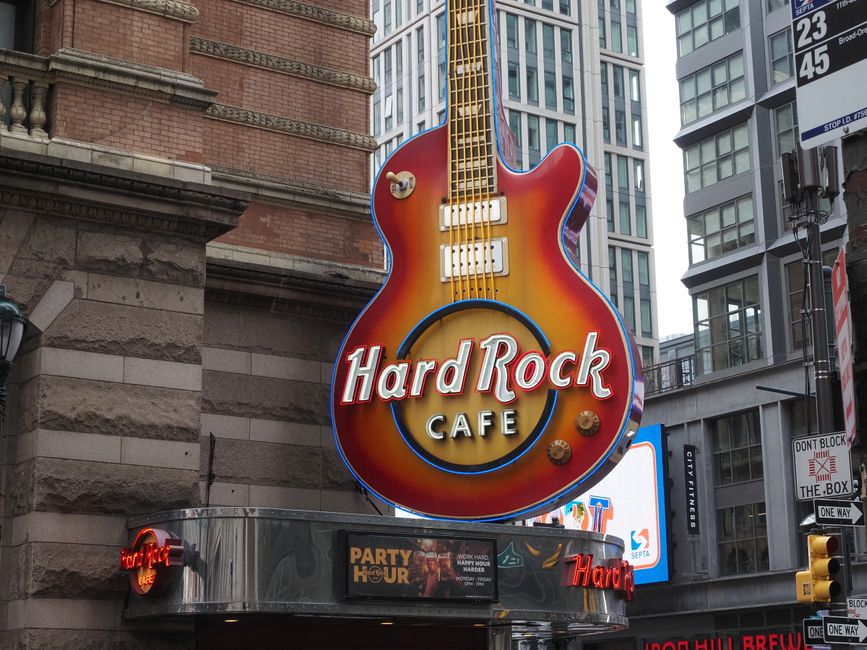
Historically, nights out were often segmented: you might start with dinner at a restaurant, then head to a theater, concert, or club, and maybe finish at a bar. This segmented approach meant coordinating transportation, timing, and often competing group interests. Multi-use entertainment venues flip this model by offering a one-stop destination where https://relatejokes.com/why-modern-entertainment-venues-are-offering-more-under-one-roof/ multiple experiences coexist under a single roof.
By integrating dining and bars within their spaces, venues create a seamless journey for guests. Consider the flow:
- Arrive at the venue.
- Enjoy a social meal or drinks with your group.
- Stay on-site for live entertainment.
- Extend the evening with late-night food options and socializing.
This approach eliminates downtime between activities and reduces friction. For groups with mixed interests, it means fewer compromises and easier coordination. Each member can find something they enjoy in one shared location.
Dining as a Destination, Not an Afterthought
One common mistake in discussing these venues is failing to provide concrete pricing or detail about the dining options. It's important to know that these restaurants and bars aren’t just appended corner cafes; many aim to be destinations themselves, often hiring top chefs and crafting menus that stand out.
Dining inside venues is no longer a secondary consideration but a core part of the value proposition. This focus changes how venues design their kitchens, dining rooms, and bar areas. A well-executed dining experience can set the tone for the rest of the evening, encouraging guests to arrive earlier, stay longer, and spend more overall.
Additionally, the rise of late-night food options inside entertainment venues addresses the reality that many shows and events run late. Patrons want quality food available when they exit, and finding nearby restaurants closed or overcrowded can put a damper on the night's mood.
Live Events Shaping the Flow of the Evening
Live events—concerts, theater, comedy, DJ sets—are the anchor around which multi-use venues structure their food and drink offerings. The schedule of these events defines peaks and lulls in service demand and even influences menu timing and composition.
For example, a venue might offer lighter, quicker dining during pre-show hours and shift to snack-focused, shareable options post-show to accommodate socializing. Bars might feature themed cocktails inspired by the event or offer special packages that bundle dining and admission.
This synergy means guests don’t just view dining and entertainment as isolated experiences but as parts of an integrated evening. It also helps venues optimize capacity and revenue, filling seats before and after shows rather than relying solely on event ticket sales.
Social Spaces as the Glue for Mixed-Interest Groups
Groups often contain people with diverse tastes—some want fancy cocktails, others casual bites; some plan to dance, others to chat. Social spaces inside multi-use entertainment venues cater to this variety by offering multiple atmospheres within one location.
If a venue only offers a concert hall or a single-purpose drinking spot, it limits the group’s ability to stay together. But by providing varied dining areas, bars, lounges, and sometimes even informal gathering spots like patios or game zones, venues create natural spaces for different group members to gather before converging for the main event.
This flexibility reduces friction when planning nights out, particularly for mixed-age or multi-genre groups. It also encourages longer visits, as individuals move between spaces based on interests and mood.
Addressing the Common Content Mistake: Where Are the Prices?
When venues promote their restaurants and bars online or through scraped content summaries, one crucial detail often missing is pricing information. This omission can frustrate potential visitors, who need to understand cost expectations to plan their night effectively.
Without price transparency, messaging about “something for everyone” becomes vague marketing fluff. Instead, venues should provide clear pricing ranges for dining menus and bar offerings, or at least point to full menus online. This empowers guests to make informed decisions and boosts trust.
Sharing This Insight
If you found this explanation useful in understanding why multi-use entertainment venues are integrating restaurants and bars, feel free to share it with friends looking to plan their nights out smarter:
- Share on Facebook
- Share on X (Twitter)
Summary: What’s Next for Your Night Out?
Multi-use entertainment venues are rewriting the rules of night out planning by:
- Offering all-in-one experiences that reduce the hassle of moving from place to place.
- Elevating dining to a destination level with quality menus and late-night options.
- Using live events to create natural rhythms for dining and socializing.
- Designing social spaces that accommodate mixed-interest groups seamlessly.
When choosing your next entertainment spot, look for venues that embrace this integrated approach. It just might be the difference between a fragmented night and a truly memorable evening.