Who Were the Biggest Performers in Early Las Vegas Showrooms?
When you think of early Las Vegas, images of dazzling neon, bustling casinos, and legendary entertainers come to mind. The postwar boom transformed the Las Vegas Strip from a dusty desert highway into a vibrant entertainment mecca. Resorts were designed not just as places to gamble but as all-in-one ecosystems offering dining, nightlife, and top-tier live performances. Showrooms and production shows became the heartbeat of these resorts, drawing visitors eager to be dazzled by star power and spectacle.
In this article, we'll explore Visit website who the biggest performers were in the formative years of Las Vegas showrooms. We'll focus on icons like Liberace, Nat King Cole, and Lena Horne—stars whose names remain synonymous with the city's entertainment legacy. Along the way, we'll highlight the resorts that shaped the scene and clear up a common misconception: exact ticket prices, room rates, and show schedules from that era are rarely documented in primary sources.
The Postwar Resort Boom on the Strip
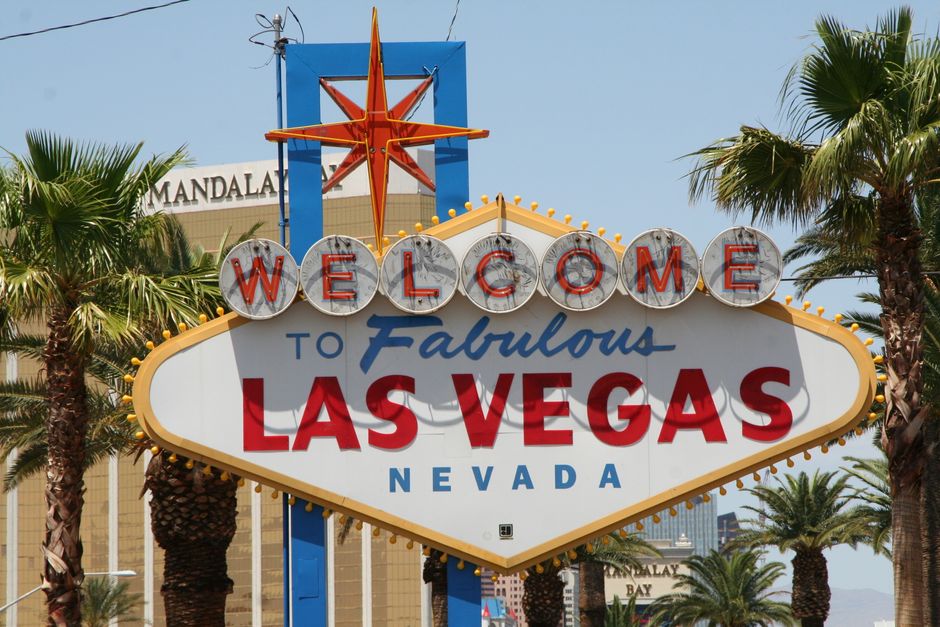
Las Vegas' rise as an entertainment capital dates largely to the post-World War II period. The late 1940s and early 1950s saw a construction boom punctuated by eye-catching neon signs and bold, attention-grabbing architecture. Venues like the Sands (opened 1952), Sahara (opened 1952), and Desert Inn (opened 1950) created a landscape unlike any other, where visitors could gamble, dine, and enjoy live entertainment all under one roof. These resorts didn’t just want to attract gamblers; they wanted to create all-night destinations.
According to Smithsonian archives, this period also marked the beginning of the "rat las vegas showroom shows pack" era, but it's important to remember that the foundations were laid by performers whose styles varied widely, from piano-playing showmen to jazz crooners and powerful vocalists.
Resorts as All-in-One Entertainment Ecosystems
Early Strip resorts were careful to develop showroom spaces that were as much a draw as their casinos. These venues ranged from intimate lounges to larger cabaret-style stages equipped with cutting-edge lighting and sound for the time. The neon signs illuminating the Strip evening after evening were more than mere advertisements. They symbolized a nightlife experience that blended glamour with accessibility.
MrQ Casino notes that the integration of lavish production shows was critical to enticing visitors to spend entire evenings—and often entire vacations—at a single property. To do this, resorts needed stars who could reliably draw crowds week after week.

The Biggest Names in Early Las Vegas Showrooms
Liberace: The King of the Showroom
Few performers embraced the Las Vegas showroom like Władziu Valentino Liberace. Known simply as Liberace, he brought flamboyance, virtuosic piano talent, and unabashed showmanship to the stage. Starting his Las Vegas residency at the Riviera in the late 1950s, Liberace revolutionized showroom operations by focusing on spectacle—sequined costumes, elaborate sets, and crowd interaction.
While Liberace’s appeal was broad, the Fifties Web archive emphasizes how he uniquely blended classical music with pop culture, making his shows accessible yet lavish. His ability to court both conservative and young audiences helped cement the showroom as a major cultural hub.
Nat King Cole: Vegas’ Jazz Royalty
Nat King Cole was already a celebrated jazz pianist and singer before bringing his talents to Las Vegas showrooms. Opening in notable venues such as the Sands, Cole's smooth voice and relaxed charisma earned him a devoted following in a city that was learning to embrace African American performers amid complex social dynamics.
Smithsonian records highlight Cole as a pivotal figure who elevated the musical standards of Vegas showrooms. He avoided the headlining show format and instead performed with his trio, bringing an air of sophisticated jazz to the gaming floors. His influence paved the way for later generations of performers within a sometimes difficult social context.
Lena Horne: Breaking Barriers on the Vegas Stage
Closely associated with the civil rights movement and Hollywood stardom, Lena Horne made her mark in early Vegas as a groundbreaking African American female vocalist. Horne’s nightclub and showroom performances in resorts like the Sands offered a mix of sultry torch songs and charismatic stage presence.
Her appearances created a dual impact: she was a symbol of glamour and talent while serving as a subtle yet significant social statement. The integration of showrooms in the 1950s, often segregated or limited in African American patronage, saw improvement partly because of entertainers like Horne demanding respect and equality. This context is often overlooked but deeply important.
Common Misconception: Ticket Prices, Room Rates, and Show Schedules
A recurring mistake in many retellings of early Las Vegas history is the assumption that exact ticket prices, room rates, or show schedules from the 1950s are well-documented and easily accessible. In truth, primary sources such as resort archives, newspaper advertisements, and ticket stubs from this time frame are often missing or incomplete.
For example, Fifties Web points out that many shows were promoted alongside gambling perks like "free" entertainment included with a hotel stay or a gambling minimum. Detailed pricing was not typically publicized because resorts wanted to offer a seamless entertainment atmosphere without emphasizing transactional details.
This makes sense given the all-in-one "entertainment ecosystem" model: the more time patrons stayed engaged in gambling or dining, the less emphasis there was on direct showroom ticket sales. Additionally, the shows often had rotating schedules depending on the season or headliner availability, further complicating consistent documentation.
The Legacy of Early Las Vegas Showroom Performers
Stars like Liberace, Nat King Cole, and Lena Horne helped cement Las Vegas’ reputation as a premier entertainment destination. Their influence extended beyond the stage: they shaped the design, marketing, and cultural fabric of the city during a critical era.
Many modern performances and residencies trace their lineage directly to the models these early entertainers created. And while newer visitors often hear about the later "Rat Pack" shows that dominated headlines in subsequent decades, it's the diversity and innovation of this earlier generation that laid the groundwork.
Further Reading and Resources
- Fifties Web: Las Vegas Entertainers of the 1950s
- Smithsonian Institution – Arts and Culture
- MrQ Casino Blog – History of Vegas Entertainment
Understanding these key performers and the context of their times helps us appreciate how Las Vegas evolved from a desert stopover to a world-renowned entertainment capital. The neon signs, the architecture, and the casino floors would all be secondary without the artists who filled the showrooms.